
The Hidden Problems Powder Coating Equipment Won’t Tell You
Your powder coating equipment may appear to run smoothly—steady conveyor, consistent spray, a curing oven glowing just as it should. But behind that calm surface, small problems are quietly taking shape. They don’t trigger alarms, they don’t stop production, and they don’t show up in your daily checks. Yet these hidden issues slowly steal your finish quality, your powder efficiency, and ultimately your profits. Before you notice anything on the final product, the damage has already begun. This article uncovers the silent failures your equipment will never warn you about.
The Subtle Quality Drift Hidden Inside Powder Coating Equipment
Even the most advanced powder coating equipment doesn’t fail in obvious ways. The first warning signs are almost invisible—slight variations in coating thickness, a finish that looks “just a bit off,” or a gun pattern that feels less focused than before. These changes happen gradually, making them easy to ignore until customers start noticing.
Over time, powder coating guns lose electrostatic efficiency, nozzles develop micro-clogs, and powder flow becomes less stable. Airflow inside the booth also shifts, creating tiny dead zones where powder simply won’t attach as it should. None of these issues trigger alarms, yet together they create a slow, steady decline in finish quality. By the time defects appear consistently, the underlying imbalance has already been building for weeks or even months.
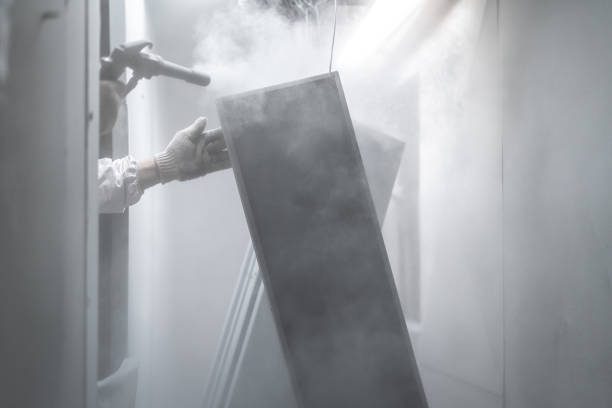
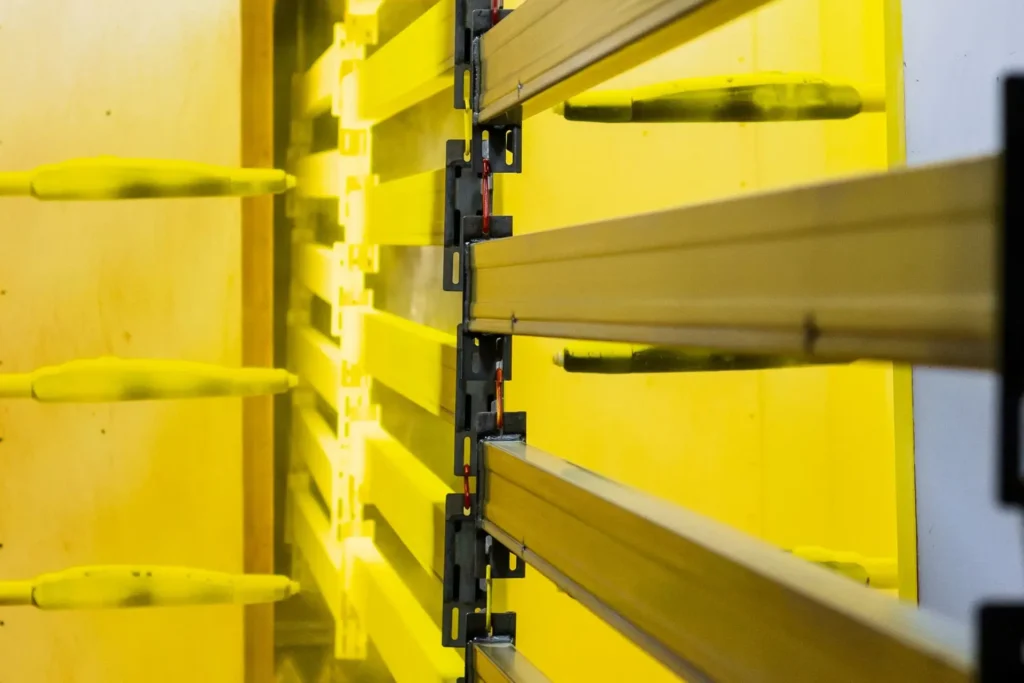
Hidden Energy&Material Losses Powder Coating Equipment Won’t Show
Energy and powder loss rarely announce themselves. On the surface, your powder coating equipment may seem to operate normally—curing, spraying, and recovering just as it always has. But inside the system, small inefficiencies quietly build up and slowly drain your operating budget.
Curing ovens are often the biggest silent culprit. Minor heat leaks, unbalanced temperature zones, or worn insulation force the oven to work harder to hold the same temperature. You don’t see an alarm; you only see rising energy costs and longer curing times. At the same time, aging powder recovery units—cyclones, filters, and sieves—lose efficiency little by little. More powder escapes into the booth air, and less is successfully reclaimed, causing your true powder usage to climb even if your production volume hasn’t changed.
These hidden losses rarely show up on a control panel, but they have a direct impact on profitability. Without periodic calibration and system checks, your powder coating equipment quietly becomes more expensive to operate every single month.
Mechanical Fatigue That Only Shows Up When It’s Too Late
Mechanical wear inside powder coating equipment rarely shows itself early. Everything keeps moving—chains turn, hangers glide, pumps circulate—so it’s easy to assume the system is stable. But deep inside the machinery, small stresses are building long before any visible failure happens.
Conveyors are a prime example. Links stretch, bearings wear, and micro-vibrations slowly increase. These tiny changes disrupt part positioning, which directly affects coating uniformity and curing consistency. The movement still looks smooth to the naked eye, but the finish quality tells another story. Meanwhile, pretreatment sections and wash tunnels silently corrode from within. Chemical residue, humidity, and heat gradually weaken metal components until one day a leak, blockage, or breakdown suddenly stops production.
By the time these mechanical issues finally become obvious, the underlying damage has already been progressing for months—sometimes years. Without routine inspections and proactive maintenance, even high-quality powder coating equipment can fail without warning, costing far more in downtime and repairs than early detection ever would.